
Guide
What to Know Before You Buy a Replacement Door Here
A guide to replacing a garage door in Tukwila, built around the area's 1962-2005 housing stock, the cold moderate climate, and what a new door actually needs to do here.
Local detail
What Local Conditions Do
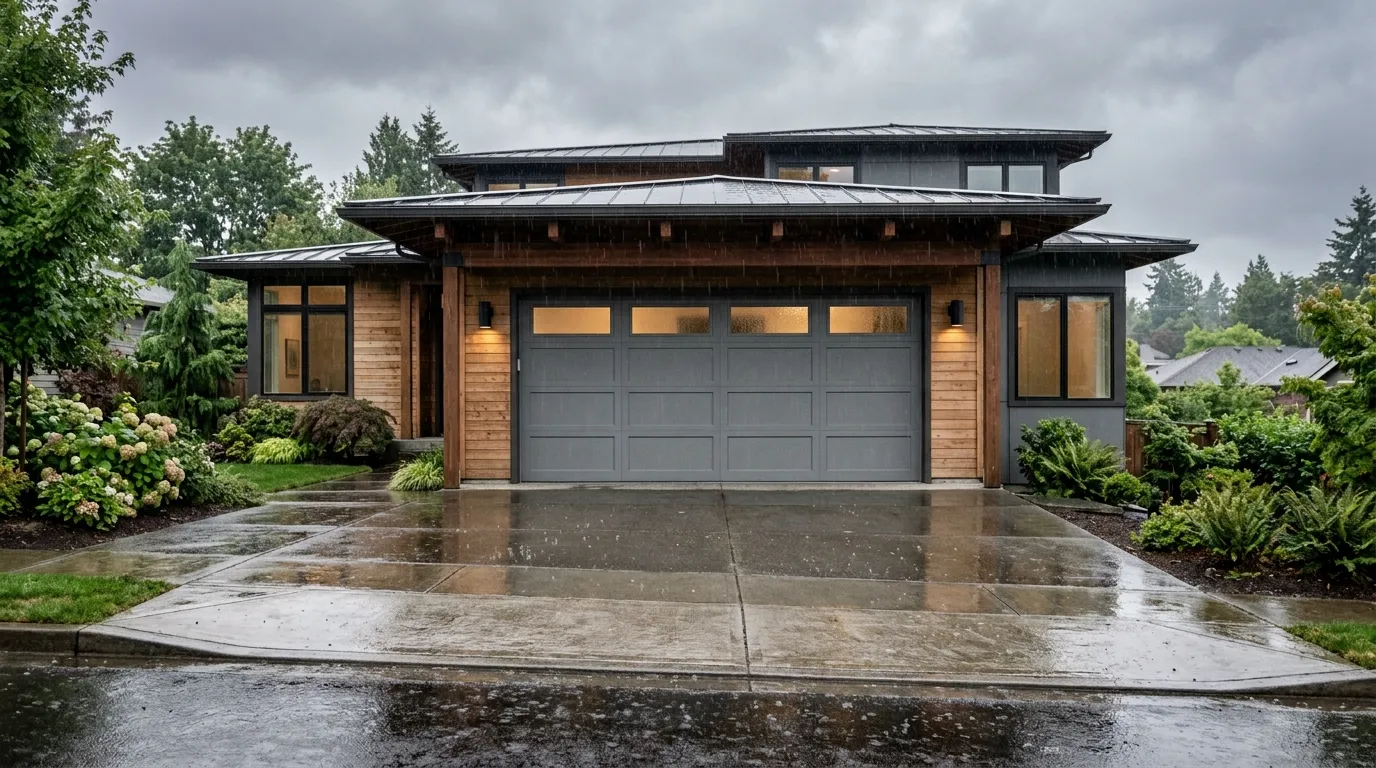
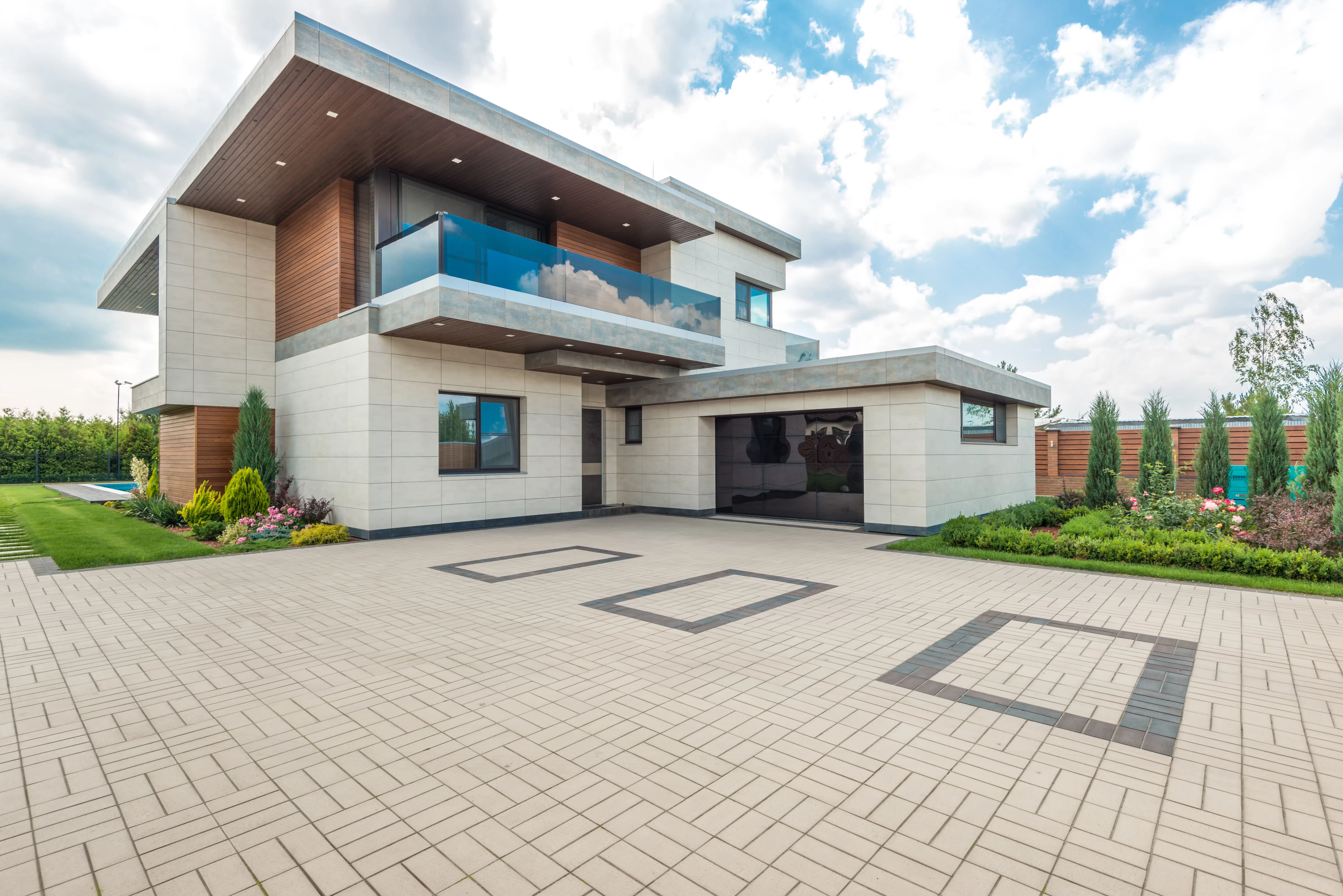
Most houses on this side of King County went up between 1962 and 2005, with the bulk of that stock dating to the 1980s and 90s. That matters for a replacement because doors from that era were built to specs and R-values that don't match what's available or expected now. A door bought in 1985 was sized for an opening standard of its time, and tracks, headroom, and jamb framing from that build window aren't always a drop-in match for a modern steel or composite door off the shelf.
The climate here sits in a cold moderate band - not the deep freeze of the Midwest, but enough damp cold that uninsulated single-layer doors from the older stock sweat, warp at the bottom panel, and let cold air sit against an attached garage wall. If your garage backs onto a living space, which is common in houses built through the 80s and 90s in this area, an insulated replacement does real work instead of just looking newer. This isn't a sales pitch for insulation across the board - a detached garage with no shared wall doesn't need the same door as one that shares drywall with a bedroom.
The area
When to Get Help
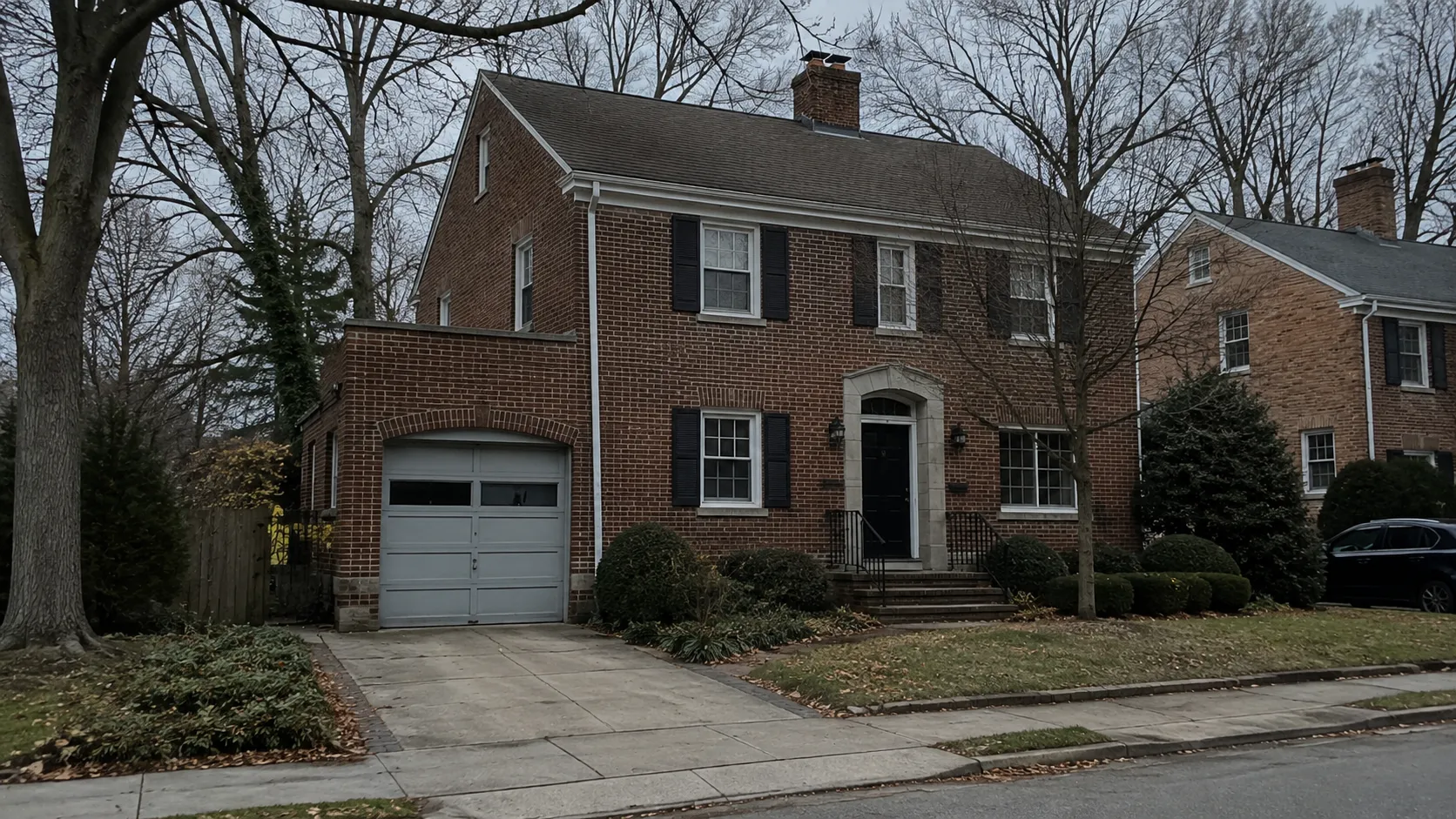
If your house falls in that 1962-2005 build window, the first thing worth checking before you order anything is whether your existing track and header height still match current door sizing. A lot of the original openings from the 80s and 90s were framed a couple inches off from what today's standard doors assume, and that's the kind of thing you want caught before a door shows up, not after.
Get a measurement and opening check if you've never had the garage touched since the house was built - which, across this stock, means a door and hardware that's been sitting for three or four decades. If the springs, rollers, or track are original to a house from that era, they're well past any reasonable service life regardless of how the door itself looks. Call when you're seeing daylight around the panel edges, when the door sits crooked in the frame, or when moisture damage at the bottom panel has started - all common in this cold moderate climate on doors that were never insulated to begin with.
What we find
What Is Going On
Across the 35 named areas that make up this service territory - places like Bryn Mawr-Skyway two miles out and Rainier Beach a few miles north - the housing pattern repeats: single-family homes built in that 1962-2005 stretch, most clustered in the 1980s and 90s. That means a lot of garages built to the same handful of framing standards, with doors that are now old enough to be on their second or third opener but still running the original track hardware.
What's actually going on with most replacement calls in this stock isn't a dead door - it's a door that's outlived its springs and rollers by a decade, on a track that was never resized when the opener got swapped. Median household income across the service area sits at $119,013, and with 71,219 owner-occupied houses in the mix, most of these are owners planning to stay, which changes the replacement math: paying for a properly insulated, correctly sized door once beats a second call in five years because the cheaper option didn't fit the original opening right.
How we work
The Cost of This Job
I don't have a set price to quote here, and I won't invent one - cost depends on door size, insulation level, and whether your opening from the original 1962-2005 build needs any framing work to take a modern door correctly. What I can tell you is what drives the number up or down: matching an older, non-standard opening costs more in labor than a house built to today's stock sizes, and a fully insulated door for a cold moderate climate costs more up front than a single-layer panel but does more for an attached garage.
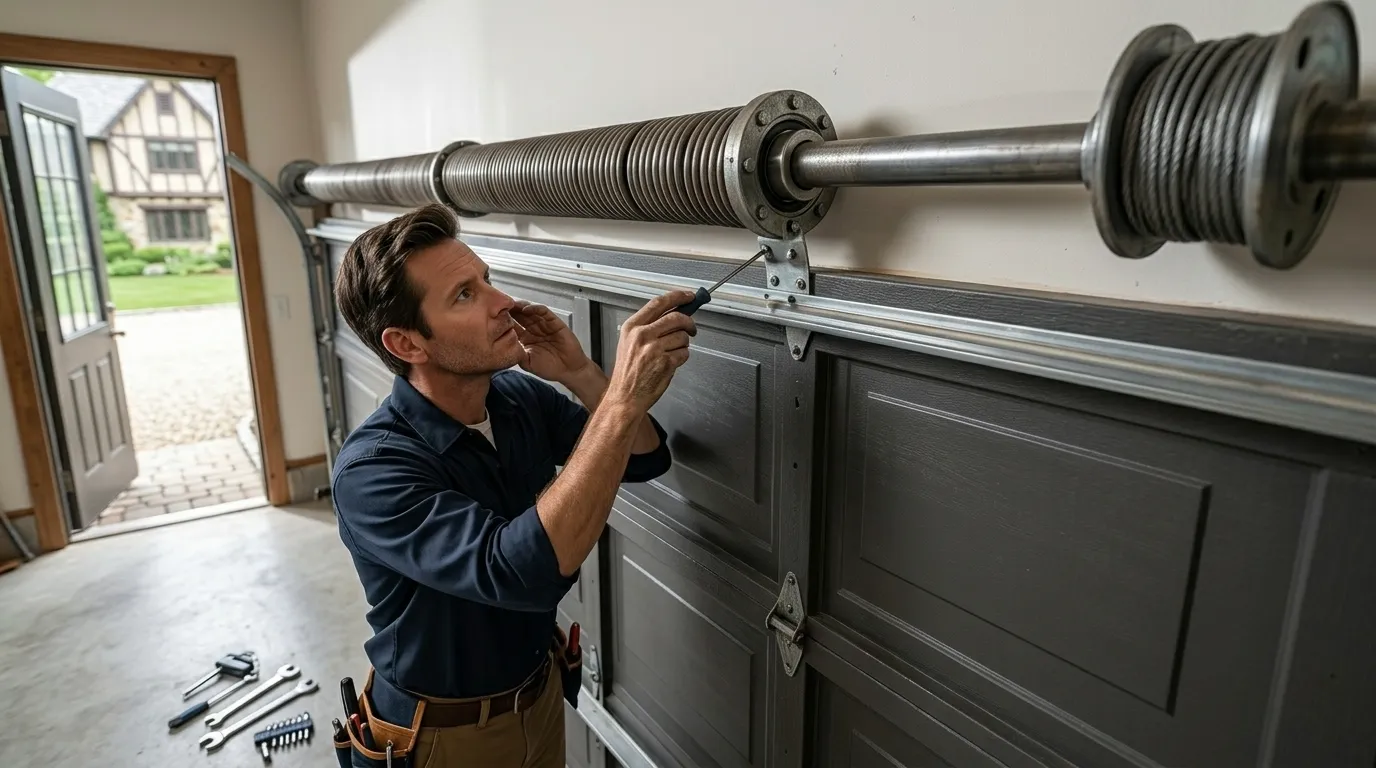
One honest limitation - if your track, spring system, and opener are all original to a house from the 80s or 90s, replacing just the door and leaving worn hardware in place is a false economy. You'll pay for the door twice: once now, once again in a year or two when the old hardware fails under a new panel it was never sized for.
Questions
Common questions
Will a new door fit my old opening if my house was built in the 1980s?
Usually, but not always. A lot of houses in this area built through the 80s and 90s have openings framed a couple inches off from today's standard sizes. It's worth having the opening measured against current door specs before you order, rather than assuming a modern door drops straight into a decades-old frame.
Do I need an insulated door in this climate?
If your garage shares a wall with living space, yes - the cold moderate climate here means an uninsulated door lets damp cold sit against that wall, and older single-layer doors common in this housing stock tend to sweat and warp at the bottom panel over time. A detached garage with no shared wall doesn't need the same door.
My door looks fine, why would I need to replace it?
Look isn't the issue - age of the hardware is. In houses from the 1962-2005 build window, it's common for the door panel to outlast the springs, rollers, and track by a decade or more. If those parts are original, replacing just the door and reusing the hardware often means paying for the door again sooner than you'd expect.
Ready when you are
Need a garage door sorted in Tukwila?
Tukwila Garage Door Pros repairs and installs garage doors, springs and openers in Tukwila, WA and the surrounding area.