
Garage Door Cable Wear
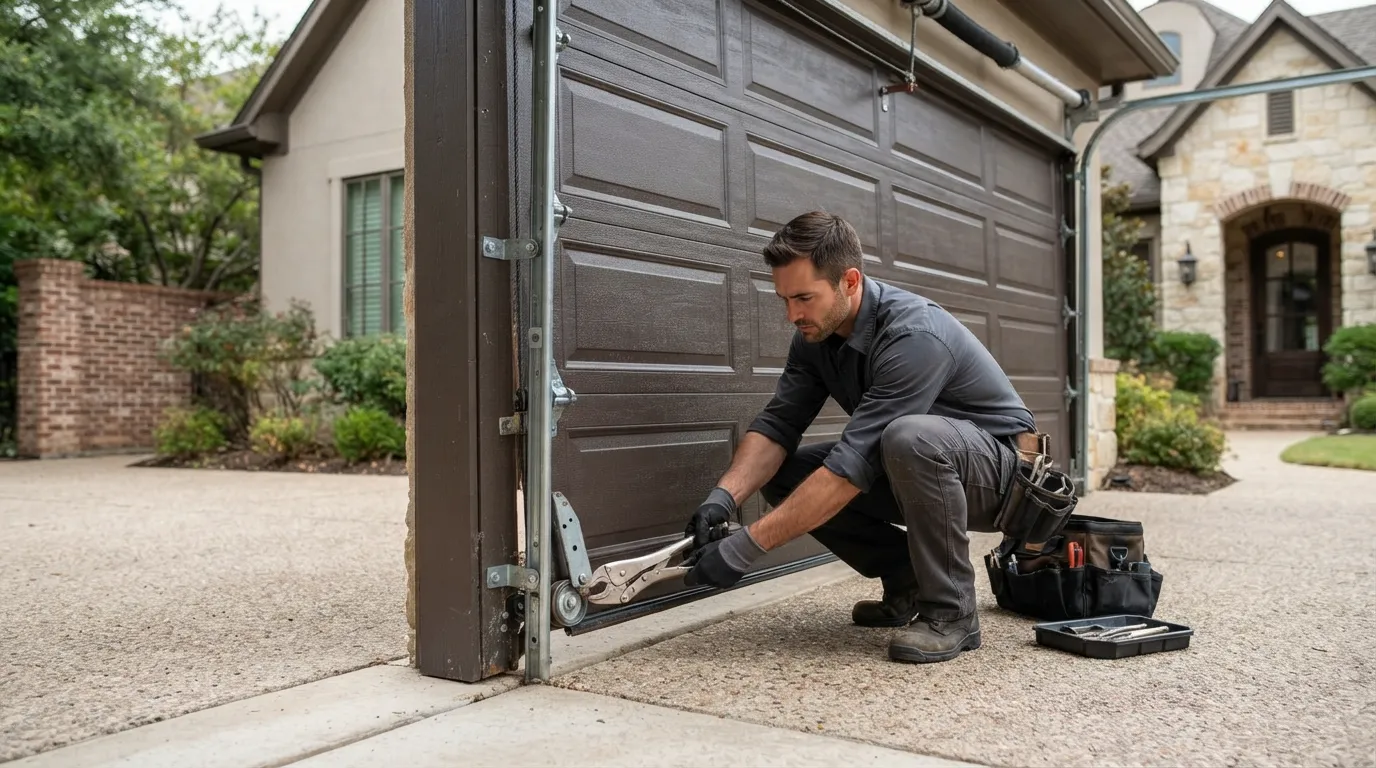
Cables can fray, corrode, loosen, slip, or fail after years of carrying repeated lifting loads.
Local garage door service · Tukwila, WA
Garage door repair and installation for Tukwila homes built mostly between 1962 and 2005, covering cable repair, maintenance, off-track repair, panel replacement, roller replacement, and the mixed-generation hardware common across the area's 1980s- and 90s-heavy housing stock.
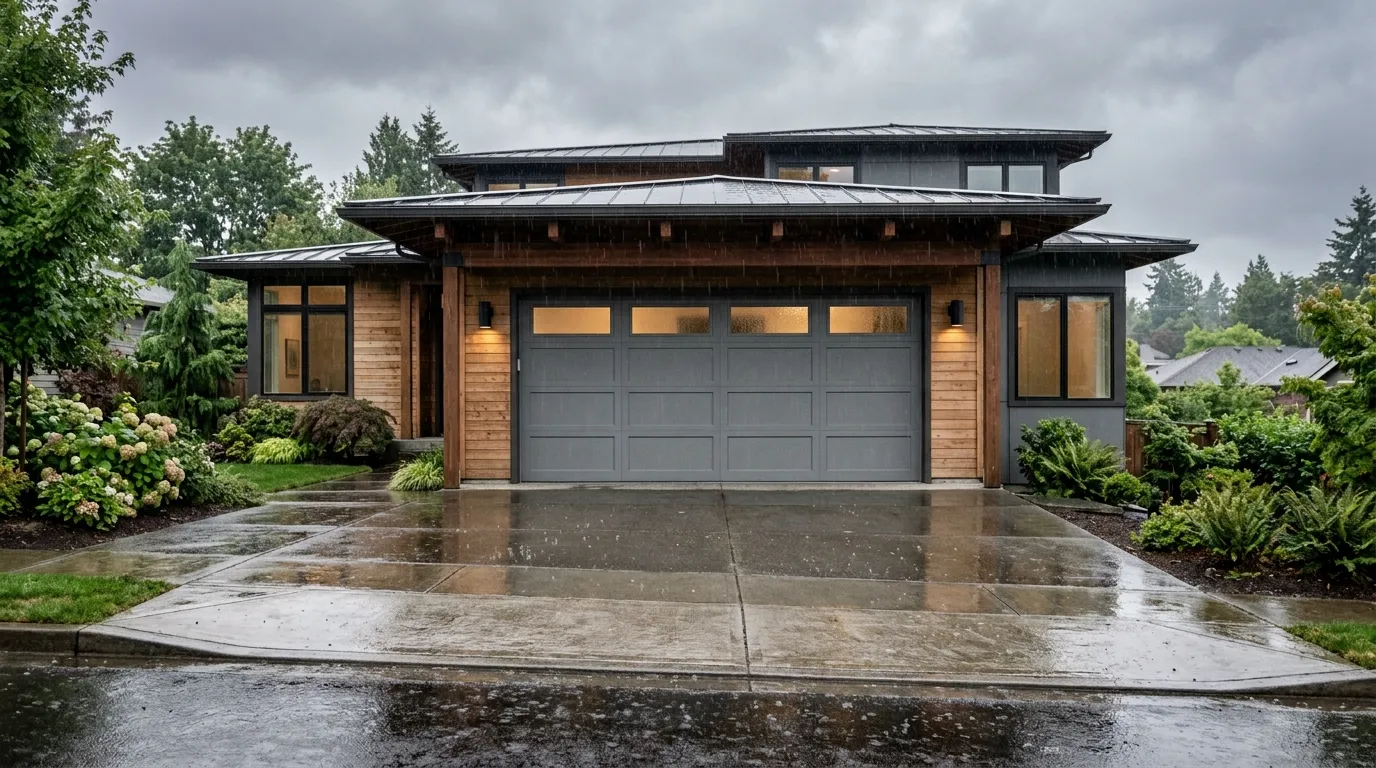
Garage door services
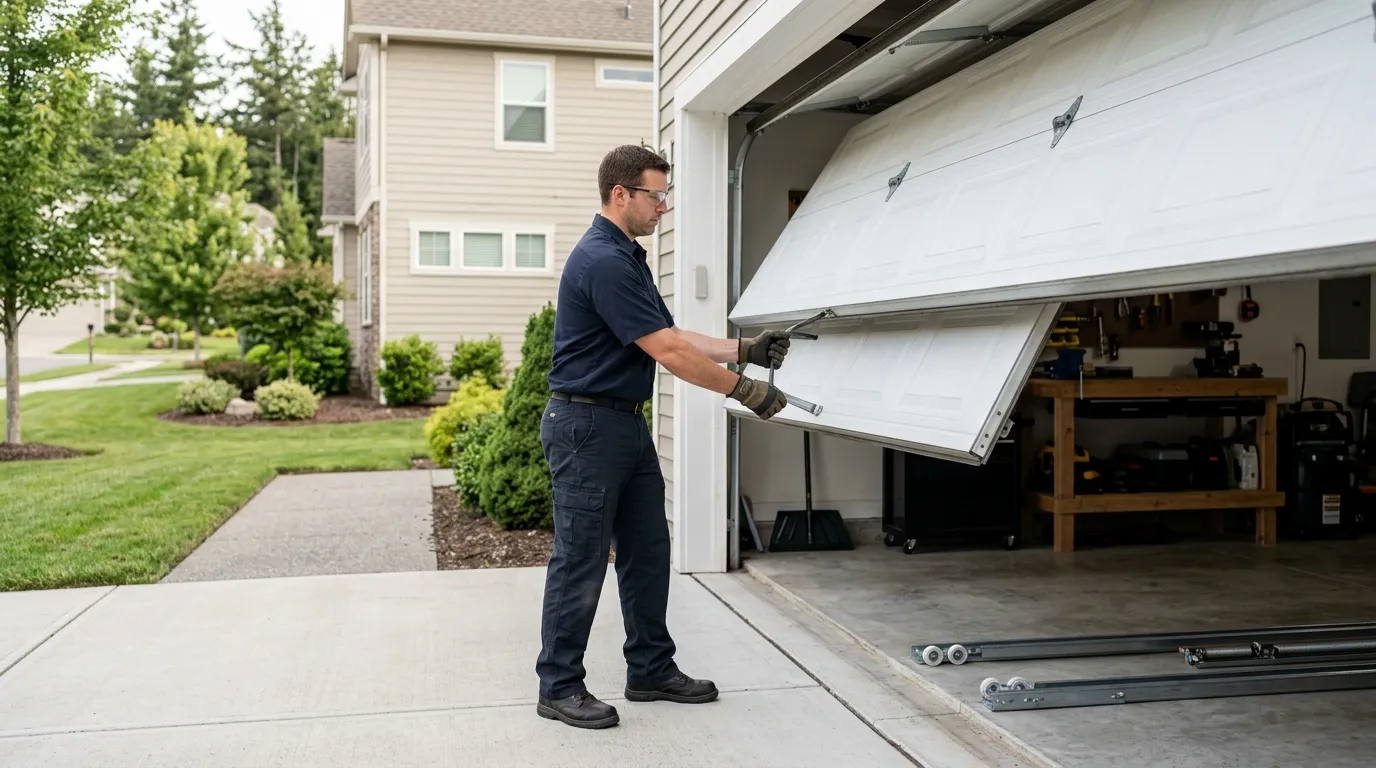
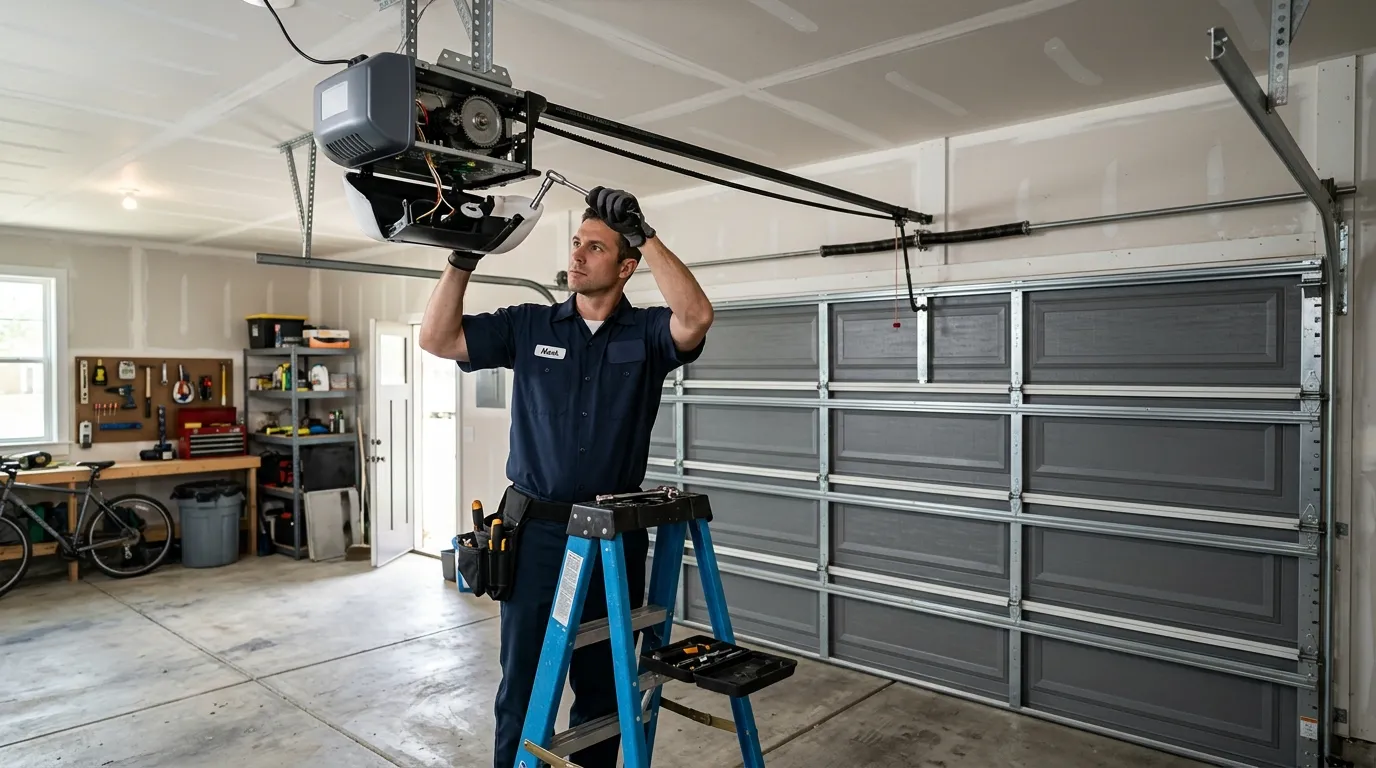
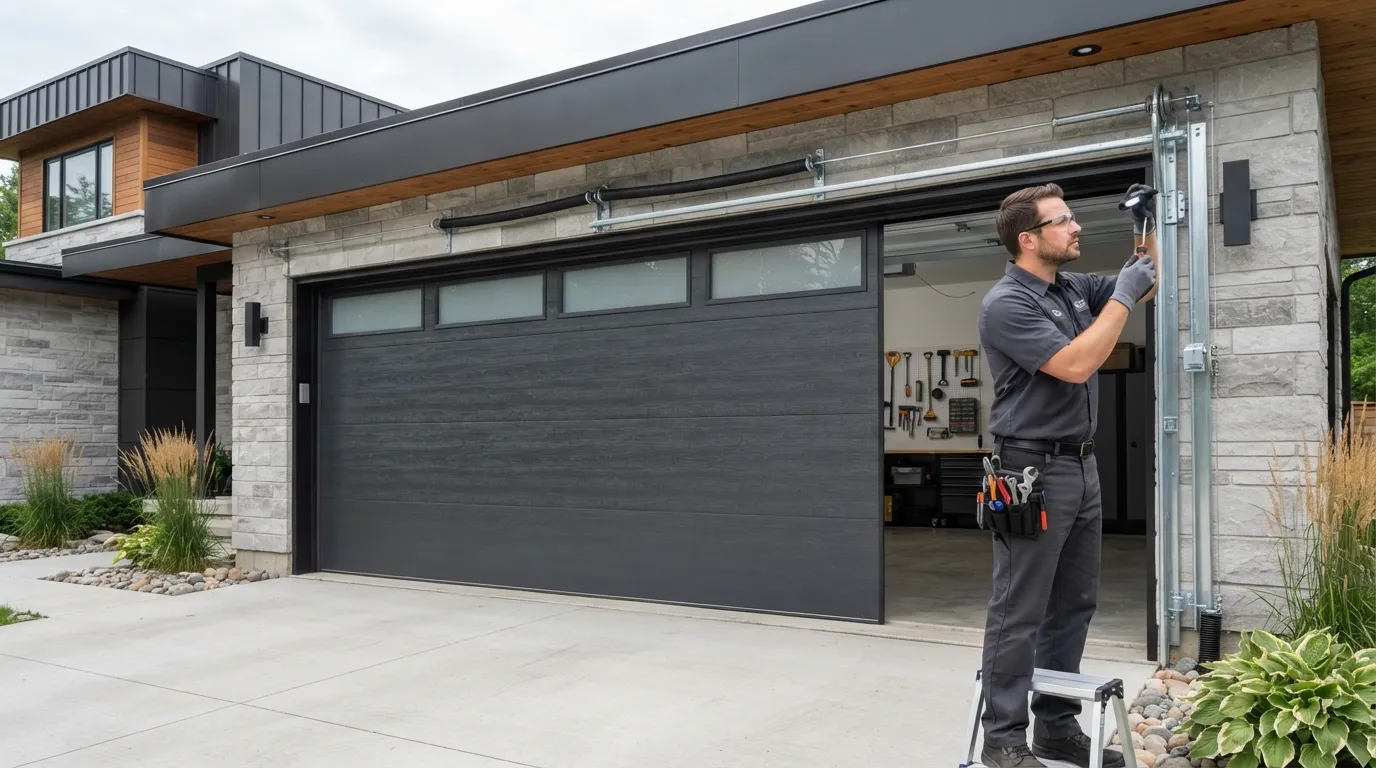
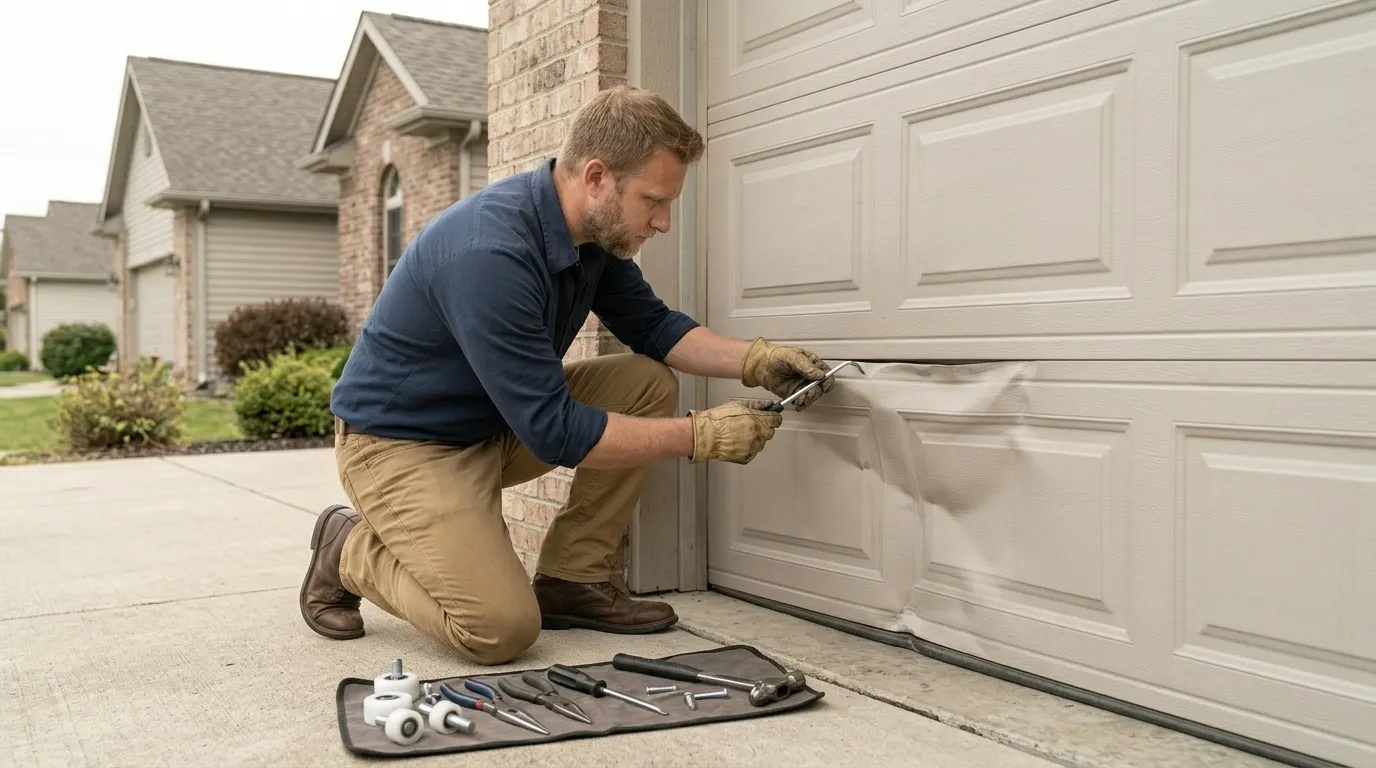
From cable repair and installation to maintenance, off-track work, panel replacement, roller replacement, and general garage door service, the lineup is built around the systems common across Tukwila's mixed-age housing stock.
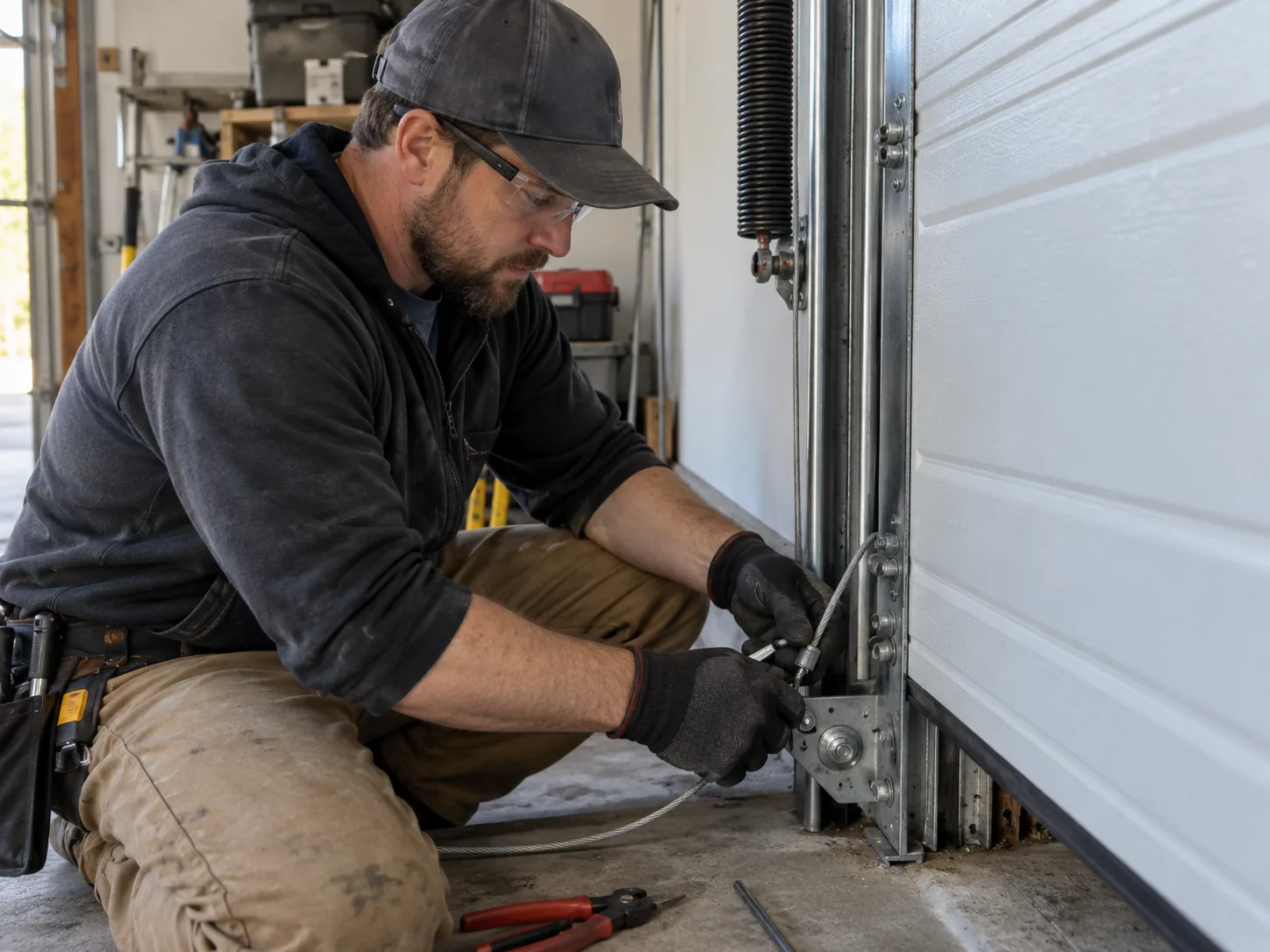
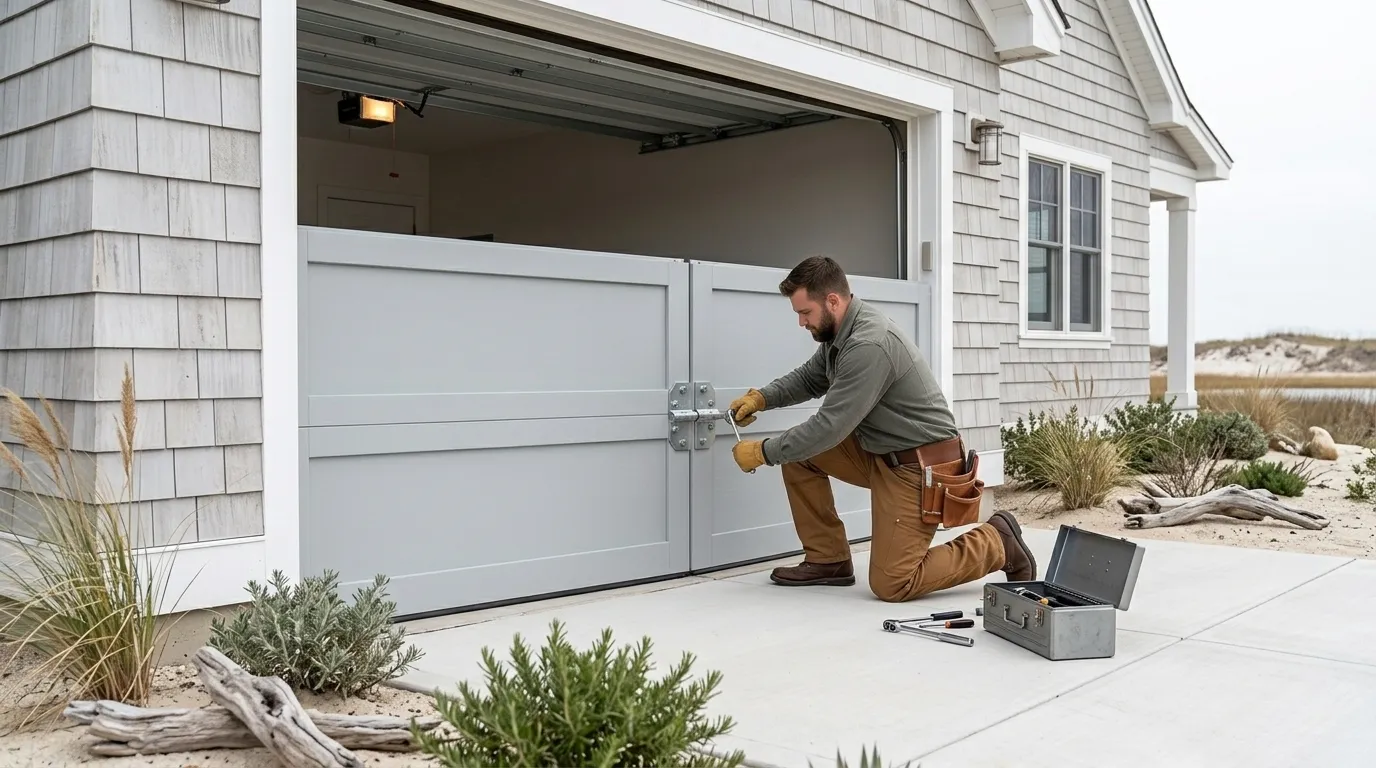
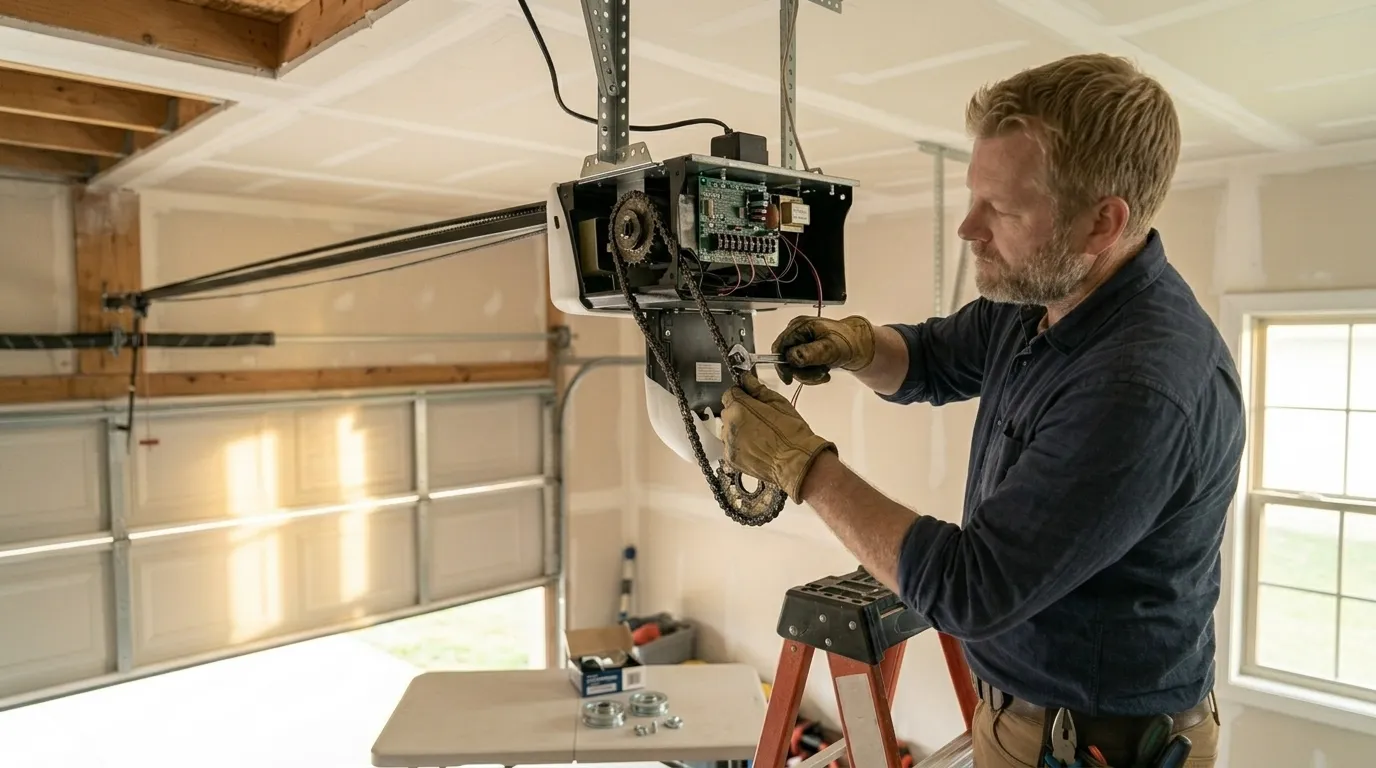
Clear repair guidance
There isn't one flat repair price, because cable repair, roller replacement, maintenance, off-track service, panel replacement, installation, and other jobs involve different parts and labor.
Door size, weight, spring configuration, cable condition, track alignment, roller wear, opener condition, and parts availability can all change the scope.
We inspect the actual door before giving a final number, because what looks like one failed component can sometimes be a symptom of another problem.
Older doors can also require hardware that is no longer standard shelf stock, which may add sourcing time.
We explain a less expensive repair option first when one can solve the actual problem reliably.
Common Tukwila garage door problems
Worn springs, aging rollers and hinges, cable corrosion, track problems, older openers, and legacy hardware make up much of the work across Tukwila's mixed-age housing stock. Spring wear is a recurring issue on doors that have accumulated many years of regular opening and closing; on 1990s-era systems, rollers and hinges become noisy or worn while torsion-shaft bearings develop age-related problems; cables and exposed track hardware develop surface corrosion over long periods in a damp environment; and older single-panel doors and other legacy systems can use hardware that is difficult to match with modern replacement parts. The correct repair depends on inspecting the entire system rather than assuming the age of the house tells you exactly what hardware is installed.
Cables can fray, corrode, loosen, slip, or fail after years of carrying repeated lifting loads.
Rollers can become noisy, rough, damaged, or resistant after years of regular track travel.
Bent track, roller wear, cable problems, or accumulated hardware movement can interfere with reliable door travel.
Older springs, hinges, bearings, brackets, and other moving parts can eventually reach the end of their useful service life.
Some older single-panel or early garage door systems can use components that are no longer readily available as direct replacements.
Local housing matters
The broader source service area spans homes built from 1962 through 2005, with the heaviest concentration in the 1980s and 90s across roughly 35 named areas.
That creates a mix of older single-panel doors, sectional doors, torsion systems, replacement openers, original tracks, rollers, cables, panels, and hardware from several generations.
The broader area covers approximately 121,185 households, including about 71,219 owner-occupied houses.
A house from the 1960s can have a very different garage door system than one built in 1995, even when both properties are in the same service region.
The build era provides useful context, but the correct repair depends on the hardware actually installed today.

1960s–2000s garage door systems
The area's broad housing range means garages can combine legacy door systems, 1980s- and 90s-era torsion hardware, replacement openers, newer panels, and original tracks.
Some homes from the earlier end of the housing range can retain older door systems whose replacement hardware is less common today.
Many garages from the area's dominant build era use torsion systems, rollers, cables, and tracks that have accumulated decades of regular use.
A garage may have a newer opener while retaining older springs, tracks, cables, rollers, or panels.
Homes toward the newer end of the 1962–2005 range can use more recent sectional doors and opener hardware with different service needs.
Damp-weather garage door wear
Tukwila has a cold-moderate climate with damp conditions, temperature changes, and condensation, so the focus is on long-term corrosion, lubrication, roller resistance, cable condition, and normal mechanical wear rather than seasonal temperature changes alone causing failure.
Long-term moisture exposure can contribute to surface corrosion on exposed garage door cables and related steel hardware.
Older steel tracks, brackets, hinges, and fasteners can develop corrosion or rough operation over time.
Worn rollers can become increasingly noisy or resistant as age, contamination, and hardware condition accumulate.
An opener can work harder when spring, roller, track, or balance problems are already making the door difficult to move.
Keep the system moving
Periodic inspection can help identify cable corrosion, roller wear, track movement, spring fatigue, opener strain, and lubrication needs before a small issue becomes a complete failure.
Changes in door balance can indicate the spring system is no longer carrying the door as effectively as it should.
Fraying, corrosion, rough travel, looseness, or visible roller wear can point to developing lifting and guidance problems.
Tracks, brackets, hinges, bearings, and mounting points can be checked for movement, corrosion, looseness, or long-term wear.
Changes in sound, travel, reversing, or force can provide early signs that the opener or door balance needs attention.
Repair or replace?
An older garage door isn't automatically a replacement candidate. Repair remains practical when the panels, tracks, and supporting hardware are sound, while replacement becomes more sensible when legacy parts are unavailable or several major components are deteriorating together.
A targeted repair can make sense when the panels, tracks, opener, springs, and surrounding structure remain serviceable.
An older garage door can remain worth keeping when its structure is sound and the immediate failure is isolated.
Replacement can become more practical when older tracks, spring mounts, or other required components are no longer reasonably available.
When panels, tracks, rollers, cables, springs, or opener components all require substantial work, broader replacement can offer better long-term value.
What to expect
We start with what the door is actually doing, use the symptoms to point toward the likely cause, inspect the whole system, and set a clear parts expectation when older hardware needs sourcing.
Tell us whether the door won't open, made a loud bang, moves unevenly, or the opener runs without moving it.
The symptoms can help point toward springs, cables, rollers, tracks, opener components, or another operating problem.
We check springs, cables, rollers, track alignment, and opener force settings before deciding on the repair.
Common repairs may be straightforward, while older or discontinued hardware can require additional sourcing before the work can be completed.
Older Parts Can Require Ordering
Some older door hardware is no longer standard shelf stock, so certain repairs can require additional parts lead time.
Tukwila + surrounding markets
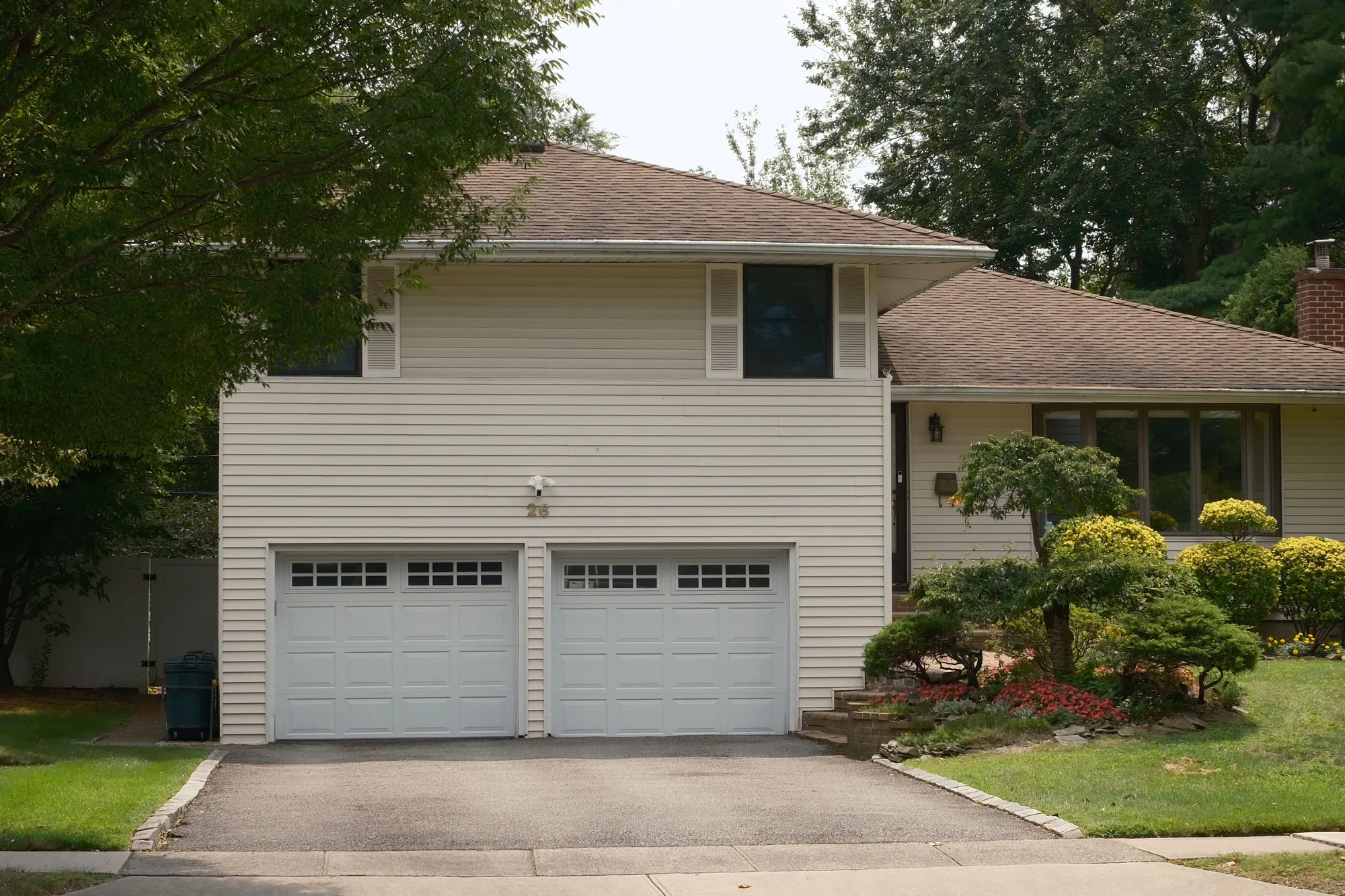
The broader Tukwila-area footprint reaches Bryn Mawr-Skyway, Southcenter, Rainier Beach, White Center, Normandy Park, Newcastle, Fairwood, East Renton Highlands, Covington, and numerous other surrounding communities.
For this site's configured architecture, the homepage service-area list is limited to eight suburb markets: Bonney Lake, Covington, East Renton Highlands, Fairwood, Lake Forest Park, Normandy Park, Snoqualmie, and White Center.
Covington, East Renton Highlands, Fairwood, Normandy Park, and White Center are explicitly supported by the source, while Bonney Lake, Lake Forest Park, and Snoqualmie come from the configuration supplied for this domain.
Close-in areas usually see same-day scheduling, while jobs toward the far edge of the range are scheduled around closer work first.
Service areas
Questions
It depends where you are relative to our route that day, but most of the close-in areas — Bryn Mawr-Skyway, Southcenter, Rainier Beach — are typically same-day. Further out, toward the 15-mile range, scheduling gets tighter. Call and we'll give you a real window, not a guess.
A chunk of the housing here dates to the 1960s and 70s, before the door hardware standardized the way it did by the 80s and 90s. Some of those original tracks and spring mounts just aren't made anymore, so a repair on one can mean an order instead of an off-the-shelf swap.
Springs wear out by cycle count, not calendar years, so a spring that's decades old is closer to failure than it looks. If your house dates to the 1980s or earlier and you don't know the spring's history, it's worth having it checked before it snaps.
Yes. We run regularly out to Bryn Mawr-Skyway, White Center, Newcastle, Fairwood, and similar distances, and take calls further out toward Covington, Snoqualmie, and beyond, though those get scheduled around closer jobs first.
Ready when you are
Tell us what the door is doing and we'll help you figure out whether you're dealing with a cable, roller, off-track door, panel problem, maintenance issue, installation need, or another aging component in the system.