
Bottom panel rust
On older doors from the earlier end of the 1962-2005 build range, we also see rust-through at the bottom panel where moisture sits after rain, especially on doors that don't get much sun.
Tukwila, WA
Dented or cracked garage door panels are common on Tukwila's 1960s-2000s housing stock. See why panels fail here, what a repair involves, and how long it takes.
Local causes
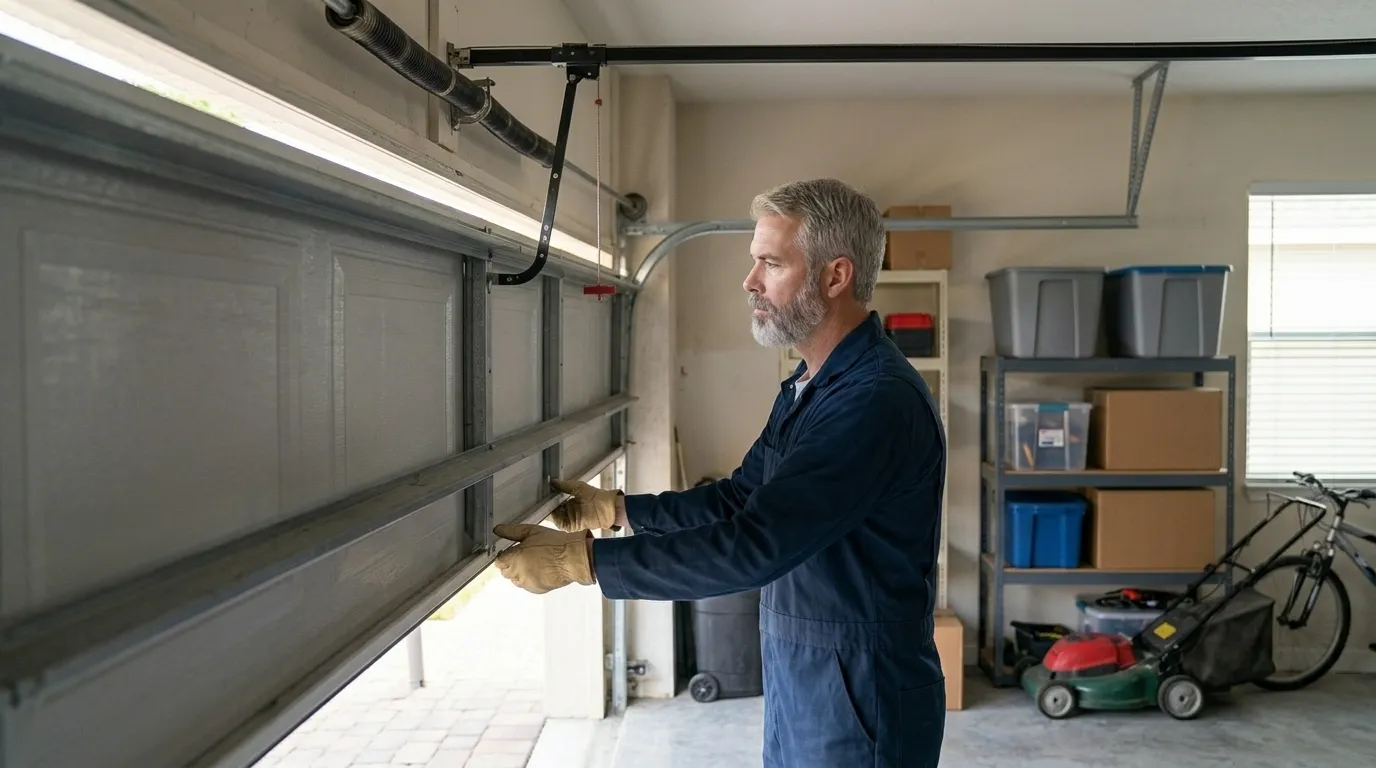
Most houses in this service area went up between 1962 and 2005, with the bulk of the stock landing in the 1980s and 90s. That matters for panels because doors from that era were built with steel sections that dent easily on impact and, on the older end of that range, with less rust protection on the seams than what's made today. Add a cold, moderate climate that swings between damp winters and dry summers, and you get steel that expands and contracts season to season along panel seams and hinge screw holes. Over 20-40 years, those screw holes strip out, seams start to show rust lines, and a single hard knock - a bumper, a bike, a gust that catches an open door - cracks a panel that was already thin at the edges. This isn't a defect specific to one brand. It's what happens to steel doors from this build era after enough winters. Newer composite or heavier-gauge steel doors installed in the last decade hold up better against the same weather, which is one reason we see more panel calls on the older side of the local housing mix than on recent builds.
Warning signs
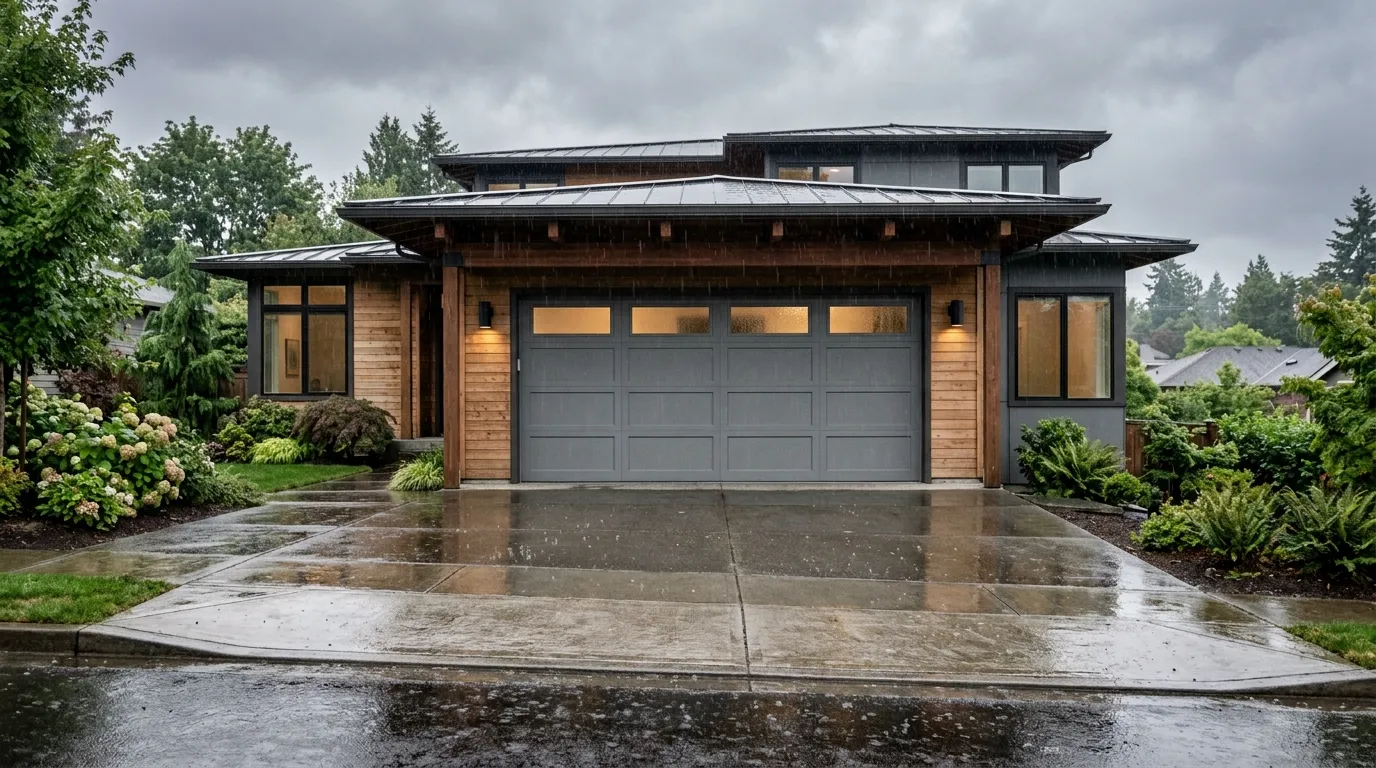
The most common call is a single dented or bowed panel, usually the bottom section, from a car bumper or a dropped ladder. Second most common: a crack running along a seam or around a hinge bolt, which starts small and spreads every time the door cycles because the panel is flexing where it shouldn't.
On older doors from the earlier end of the 1962-2005 build range, we also see rust-through at the bottom panel where moisture sits after rain, especially on doors that don't get much sun.
Less obvious but just as real: a panel that looks fine but has a warped edge, so the door binds on the track and the opener strains every time it runs.
Homeowners usually notice one of two things first - a visible dent or crack, or a door that suddenly sounds rough and starts fighting the opener. Both point to the same root problem: the panel is no longer holding its shape, and the rest of the door is compensating for it.
The repair
Panel work starts with matching the section - width, color, and the track/hinge spacing have to line up with the rest of the door, since single doors and double doors from this era often used different panel dimensions.
If the exact match isn't available, that's the honest limit here: some older builds used discontinued panel styles, and the practical fix at that point is a full door replacement rather than chasing a part that no longer exists.
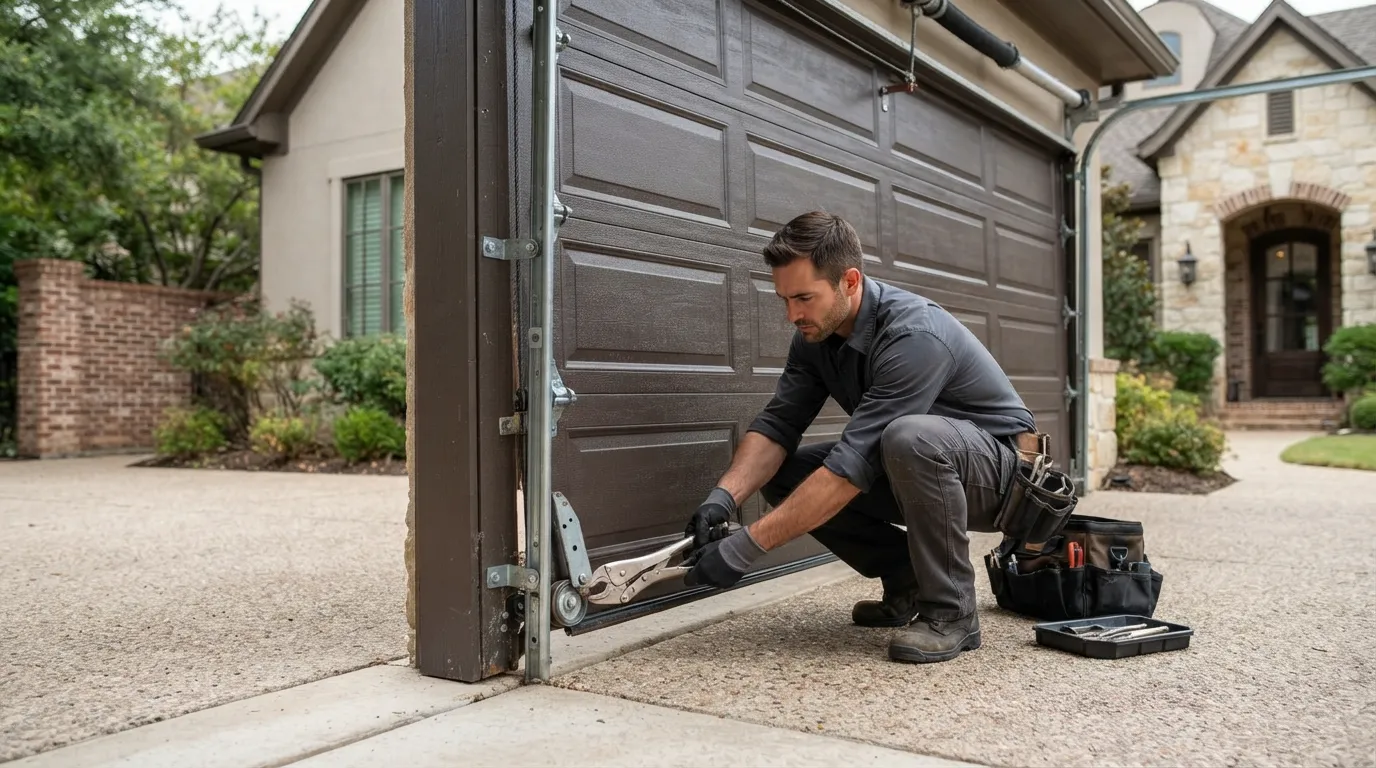
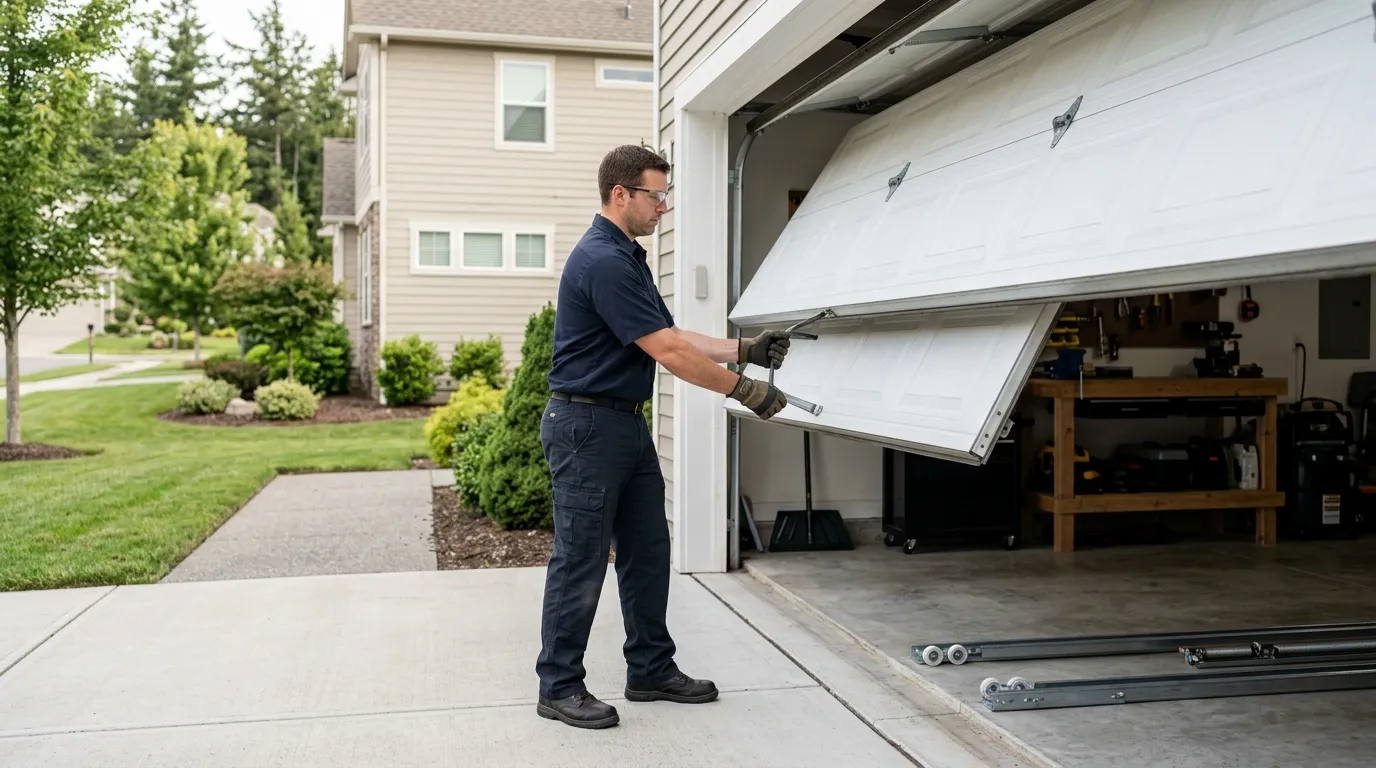
When a match is available, the job means pulling the door off cycle, removing the fasteners at the hinges on either side of the damaged section, sliding the new panel into the track alignment, and re-hanging the hinges and rollers.
On multi-panel doors, we check the sections above and below for the same seam stress, since a panel that failed from age often isn't the only one close to failing. We also check hinge screw holes for stripping and re-drill or plate them if needed, rather than just cranking new screws into worn-out holes.
Timing
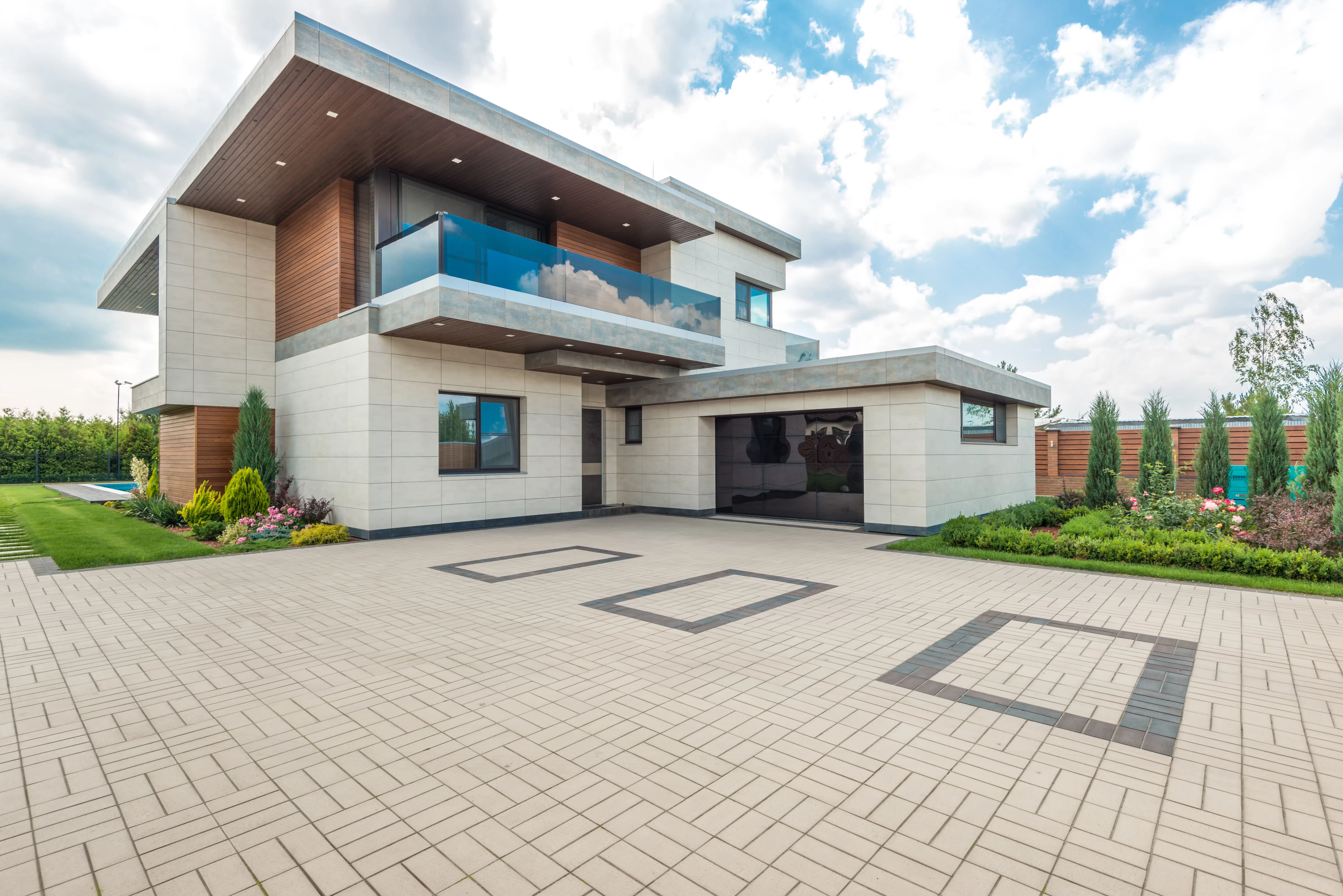
A straight panel swap on a door where the section is in stock is a same-visit job - most of the time is spent on alignment, not the swap itself. If the panel has to be special-ordered because it's an older or less common style, expect the order lead time to be the longer part of the wait, not the install. We'll tell you at the door whether your section is a standard match or a special order before any work starts, so there's no guessing on timeline.
Questions
Often yes, especially for doors from the more common 1980s-90s build years, but not always. Some section styles from the earlier end of the 1962-2005 range are discontinued. We check the match before quoting the job, and if there's no match, full door replacement is usually the more honest option than forcing a mismatched section.
Steel panels from this area's older housing stock flex at the seams and hinge holes after decades of seasonal temperature swings. A seam that's been stressing for years can crack on its own, without a bump, once the metal fatigues enough.
Depends on the door's age and how many other panels show wear. One clean dent on an otherwise sound door is usually a straightforward panel swap. If several panels are rusting or the door is near the end of its life, replacing the whole door often costs less over time than repeated panel fixes.
Yes, panel replacement is something we handle across the wider service area, including nearby communities like Bryn Mawr-Skyway and Rainier Beach. Call to confirm coverage for your specific address.
Explore more
Ready when you are
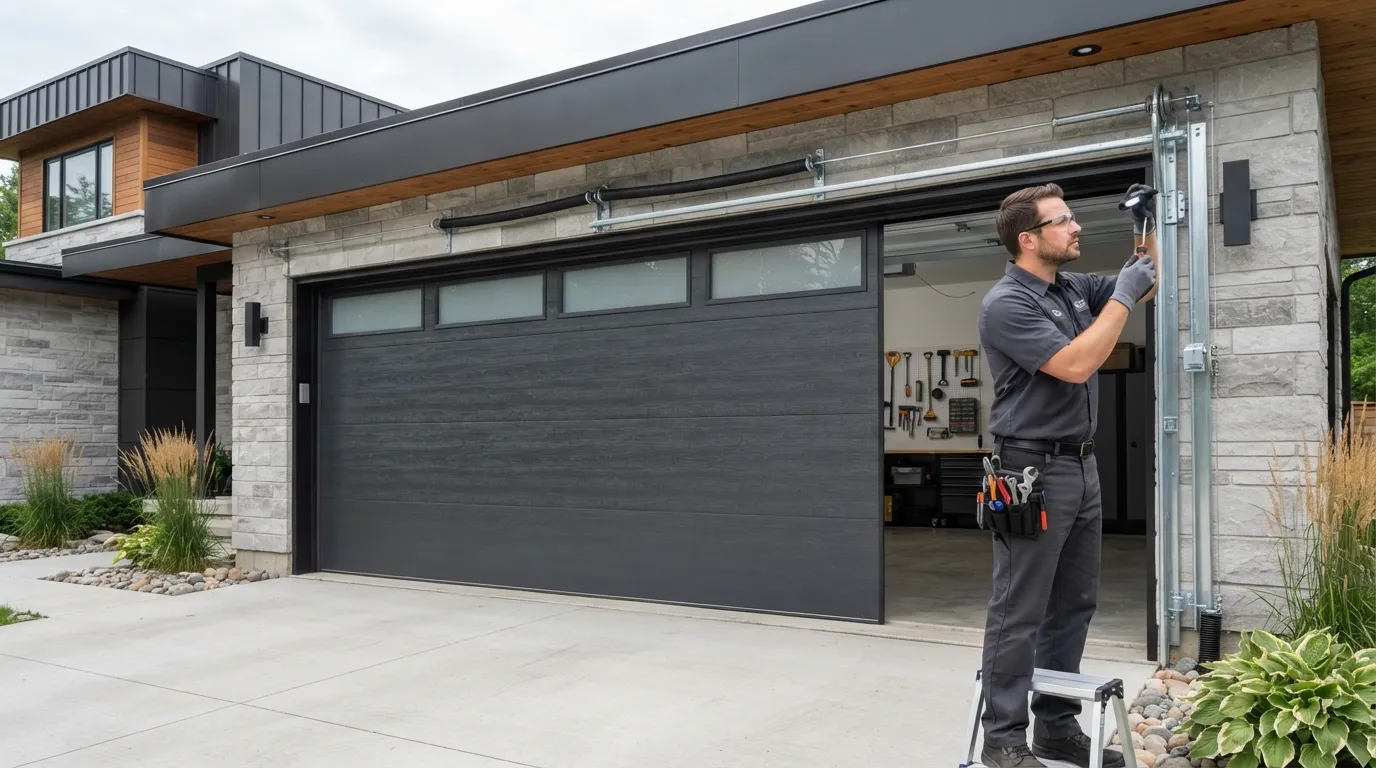
Tukwila Garage Door Pros repairs and installs garage doors, springs and openers in Tukwila, WA and the surrounding area.