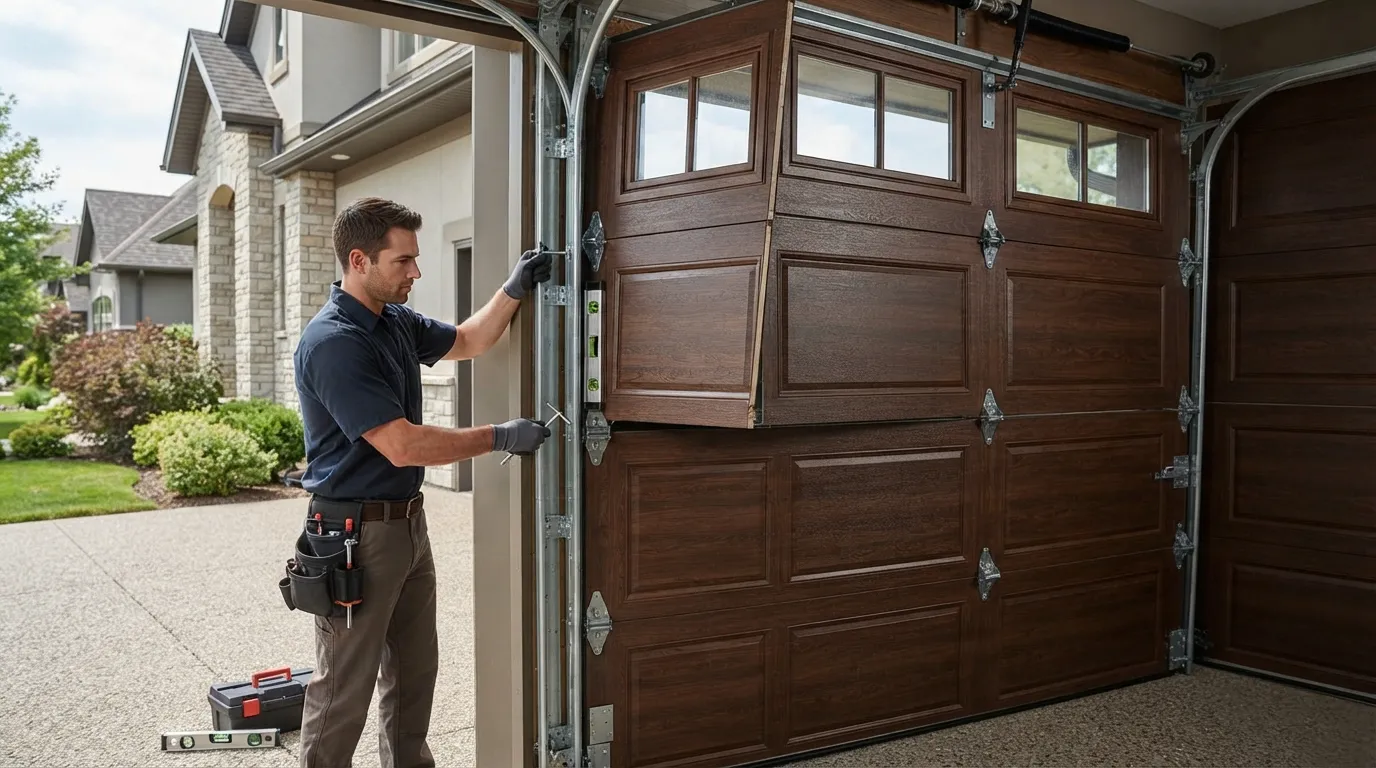
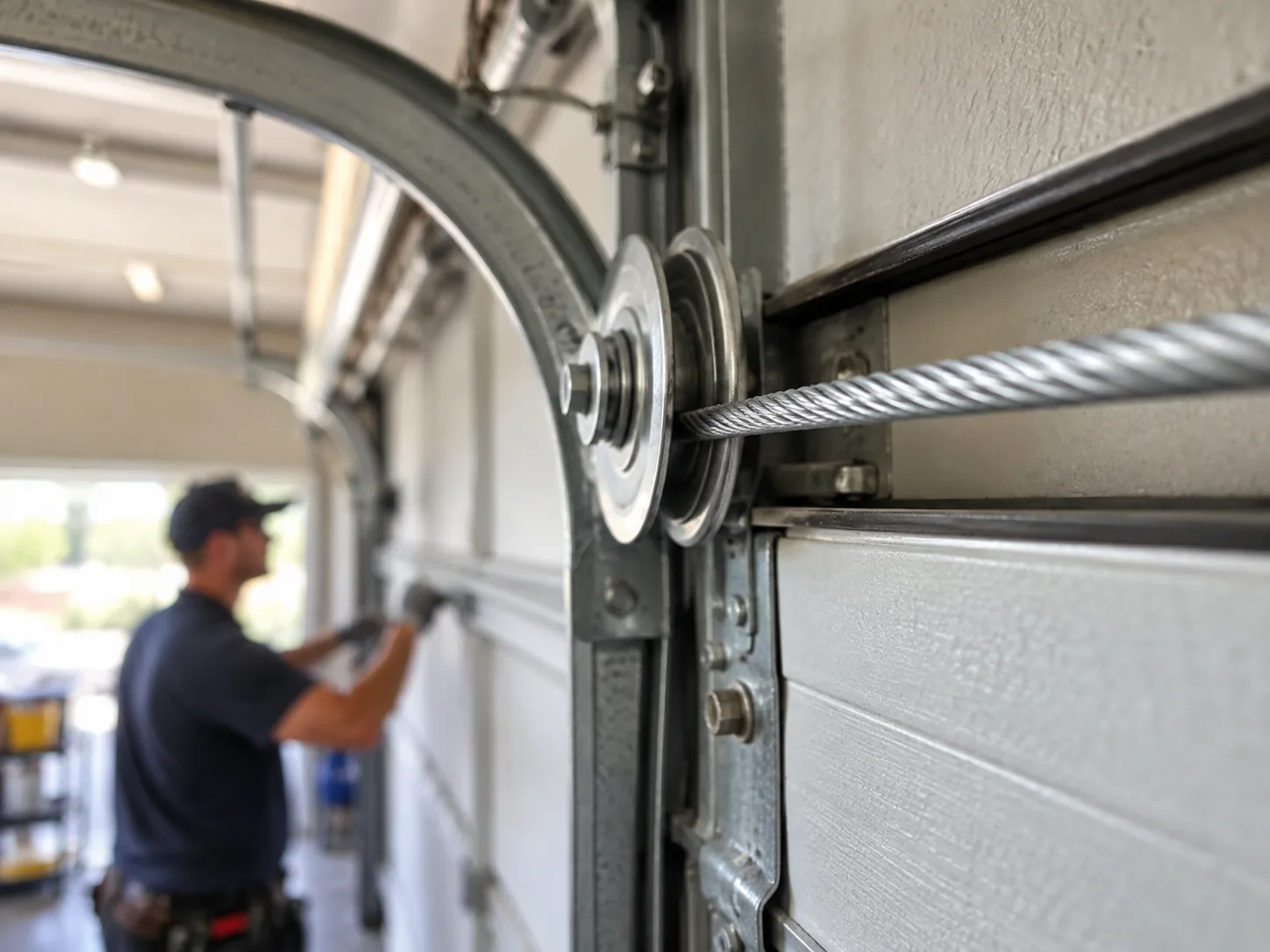
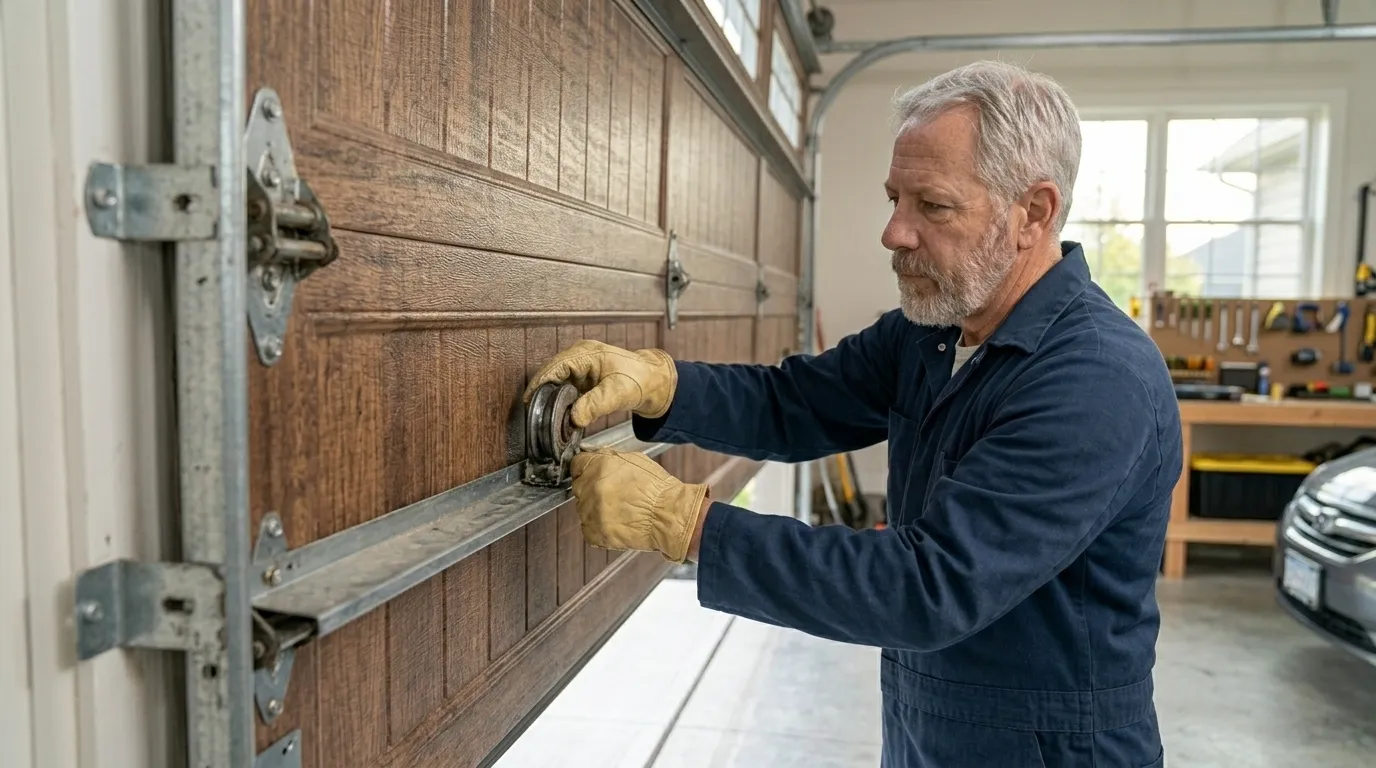
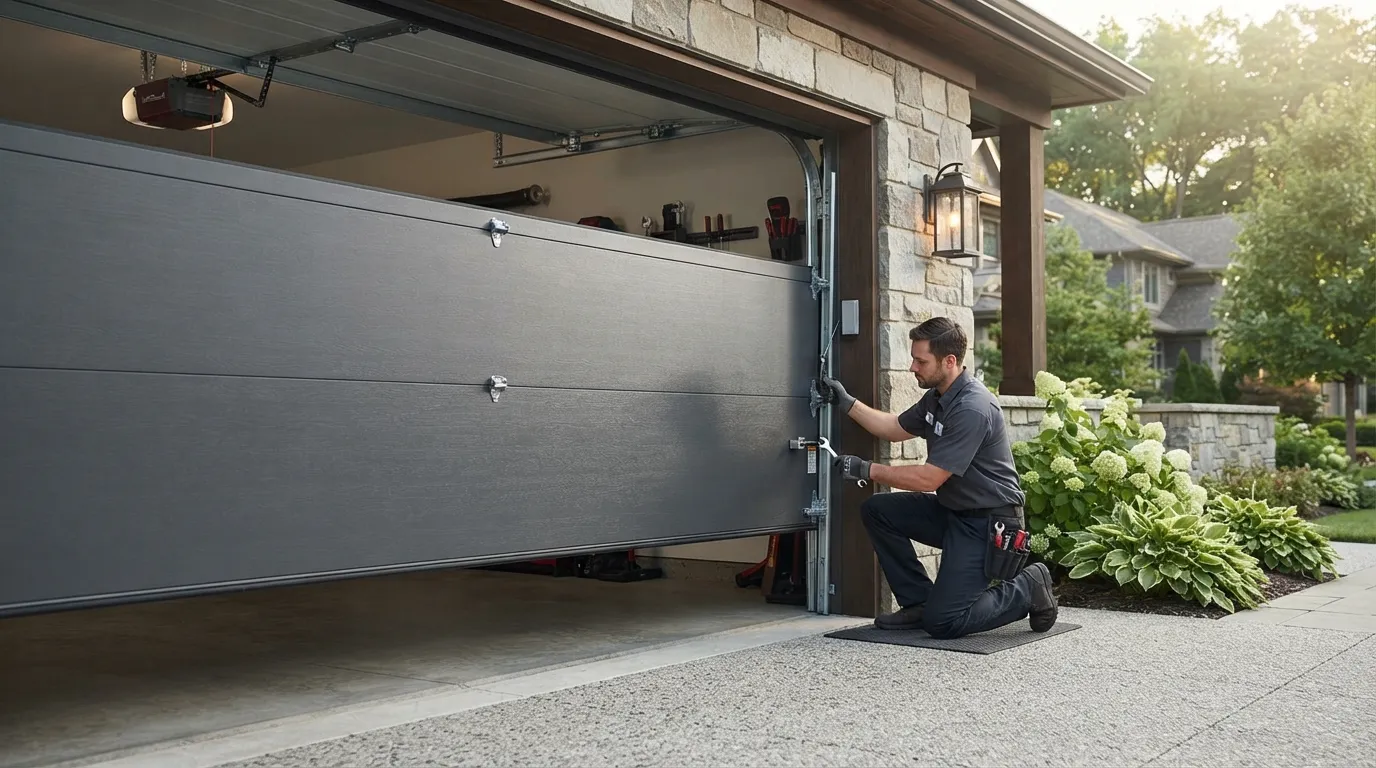
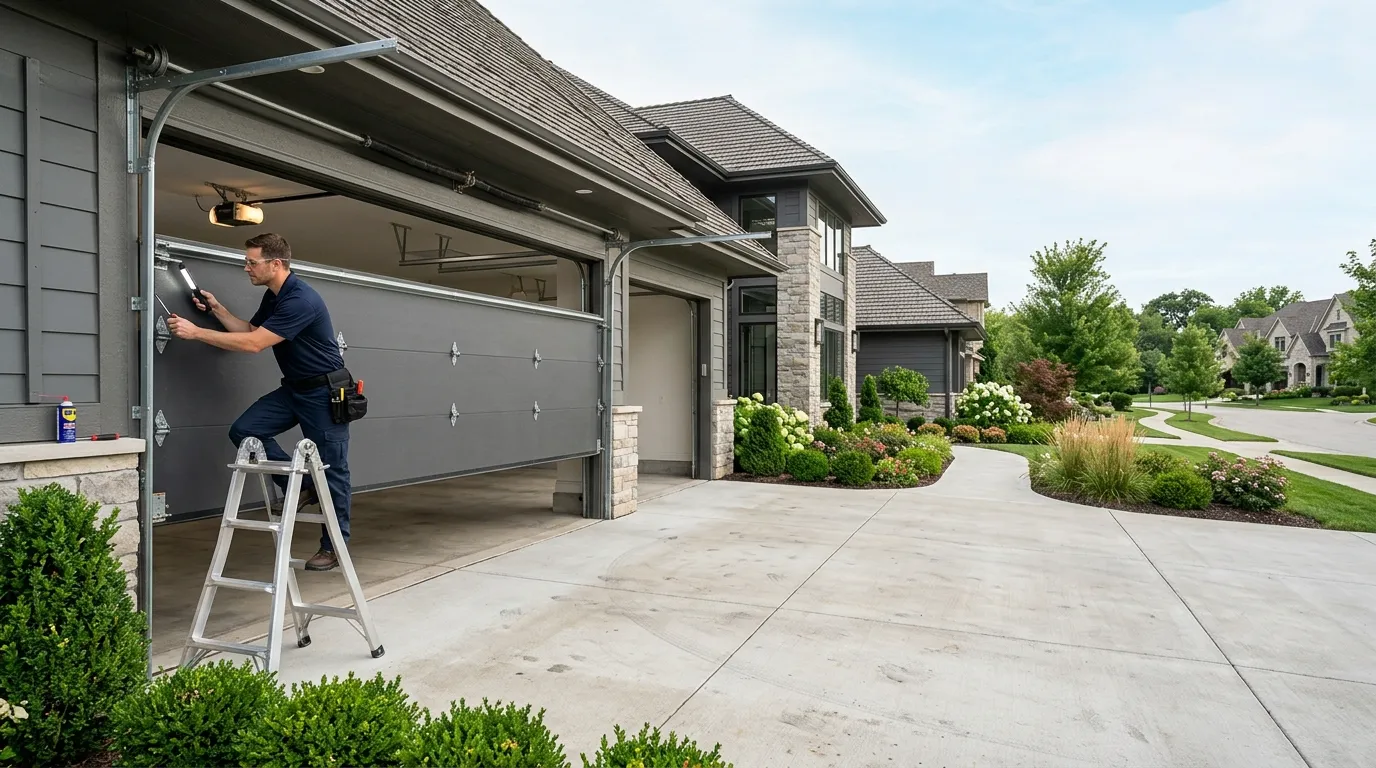
The job starts with pulling the damaged section without disturbing the spring tension on the rest of the door, which on an insulated panel means working around concealed hinges rather than exposed ones. We check the track alignment on both sides before the new panel goes in - a door built around 2005 has usually settled a little on its rollers over twenty years, and a new panel seated against a track that's drifted out of true will bind or rub within a season.
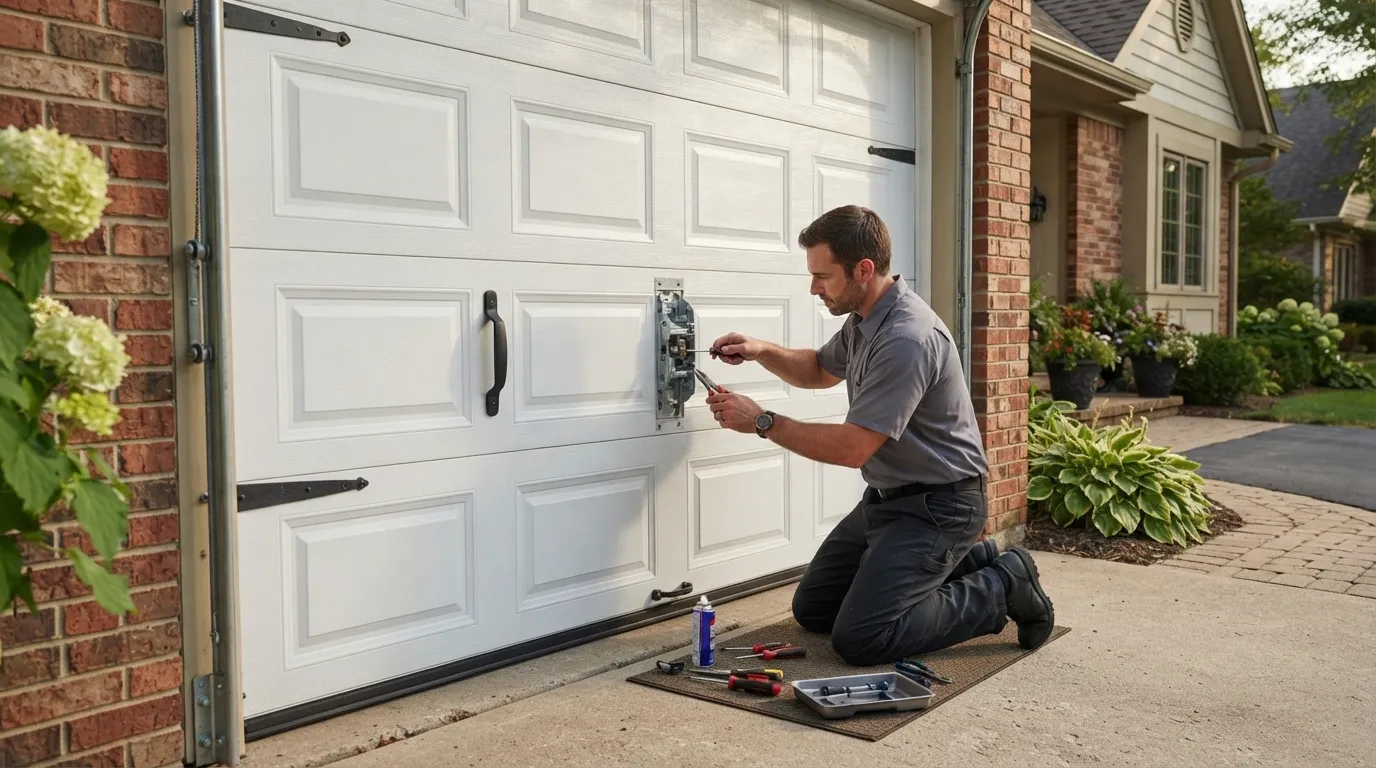
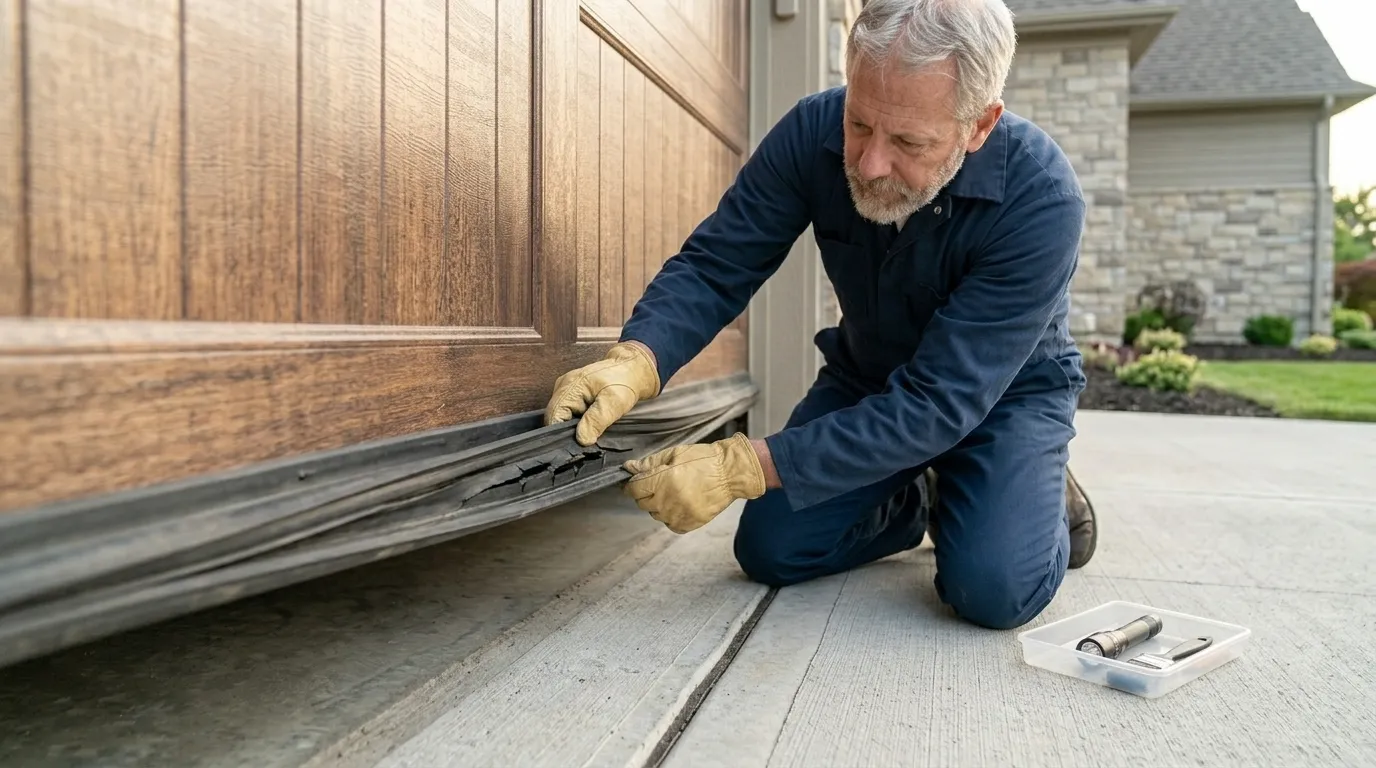
Once the panel's in, we match hardware to the insulated core rather than reusing lighter fasteners meant for single-skin steel, and we check that the new section's foam edge seats tight against its neighbors - a gap there is where cold air gets in during winter, which matters in this climate band where seams take real freeze-thaw stress. We test the door through a full open-close cycle before we leave, watching for any new noise or drag that a fresh panel sometimes introduces.